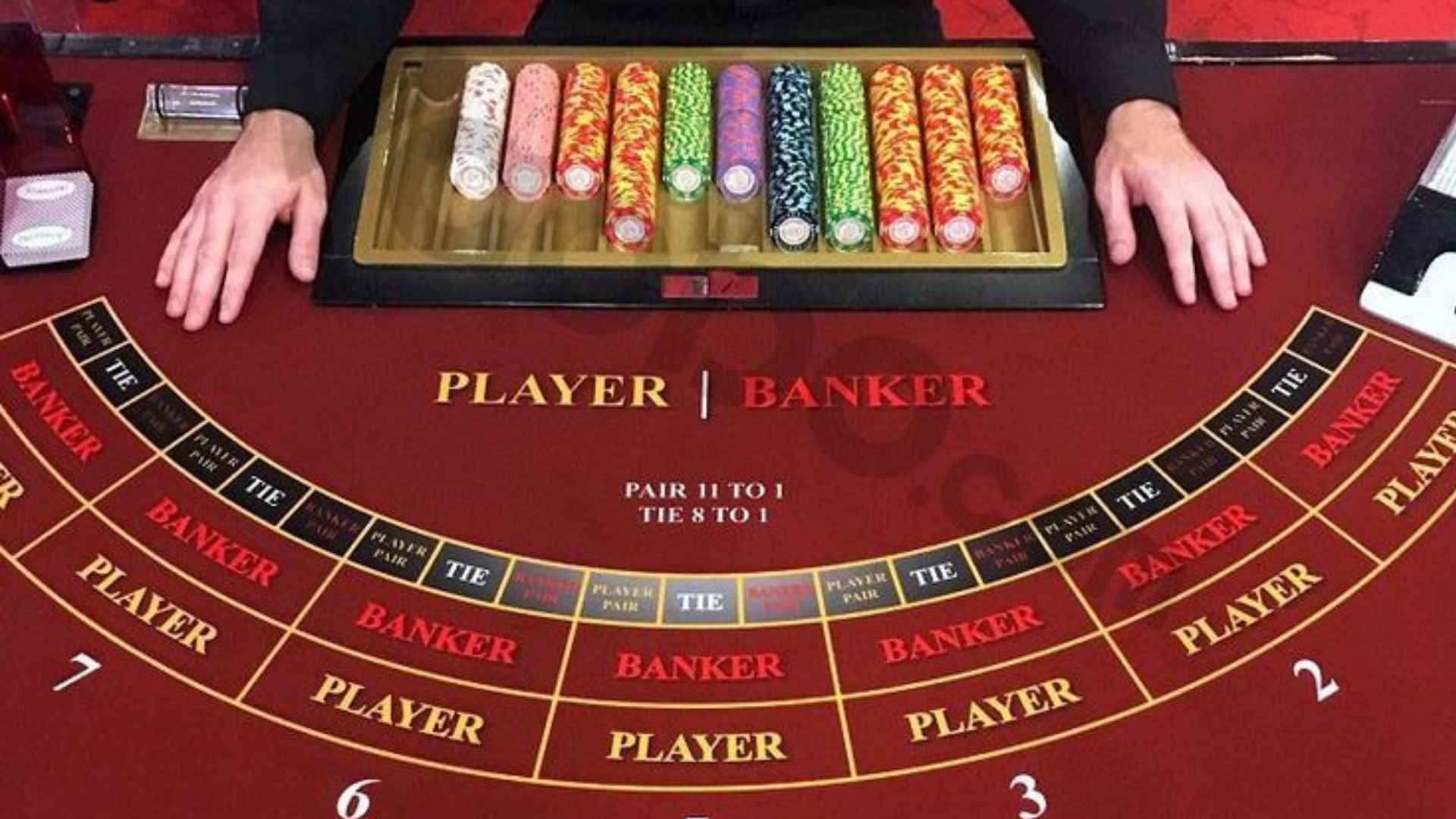
The physical arrangement of a gaming environment plays a significant role in determining how individuals engage with a game. Historical and modern table configurations demonstrate that where a person sits directly influences their psychological comfort and level of focus. This spatial dynamic shapes individual choices, conversational flow, and overall community interaction during a live session.
The Psychology of Seating Arrangements
Choosing a specific seat at a multi-player table modifies how a participant perceives their surroundings and competitors. For instance, sitting in a central position often signals authority and invites more direct eye contact from the rest of the group. Conversely, choosing an outer edge or corner spot allows for a more observant approach with less immediate social pressure.
This spatial distribution directly impacts spatial cognition and communication practices among participants. Those seated closer to the action tend to stay highly focused and participate more frequently in shared activities. On the other hand, individuals placed further away might experience a subtle sense of isolation that lowers their attentiveness.
How Spatial Proximity Guides Tactical Decisions
In strategic games, table position determines the exact order of action and observation available to a participant. Acting late in a sequence provides a distinct structural advantage by allowing an individual to study prior choices before committing resources. This chronological flow turns simple seating placement into a critical factor for managing risk effectively.
Furthermore, immediate proximity to the dealer or game leader alters the pace at which data is processed. Participants sitting next to the starting point must react instantly without the benefit of watching a collective trend unfold. This demanding environment rewards rapid mental calculation and heightened table awareness over rigid structural patterns.
Enhancing Player Engagement Through Table Design
Modern entertainment venues and digital platforms carefully study these seating configurations to maximize human interaction and community building. Circular or semi-circular table layouts are frequently utilized because they eliminate traditional power spots and encourage balanced engagement. This inclusive architecture ensures that every participant feels equally integrated into the ongoing event.
As traditional tabletop mechanics adapt into digital spaces, developers try to replicate these unique interpersonal dynamics through virtual seating arrangements. Enthusiasts looking for streamlined platforms can check out modern systems like the wd boss slot platform to see how contemporary interfaces manage user tracking and participation. These digital solutions maintain core interactive elements while using automated features to provide smooth, engaging sessions for global audiences.
The Long Term Impact of Social Accountability
Ultimately, the connection between physical placement and active involvement highlights the deeply social nature of group gaming. When participants face each other directly, a shared sense of accountability and mutual vulnerability naturally develops across the layout. This collective atmosphere transforms an ordinary session into a memorable, interactive contest driven by human choice.
Recognizing how seating configurations alter behavior helps both players and operators create more enjoyable interactive spaces. Whether analyzing classic European salons or modern digital interfaces, understanding spatial design offers valuable insight into global gaming culture. By choosing positions wisely, individuals can significantly elevate their overall comfort and strategic focus during any round.