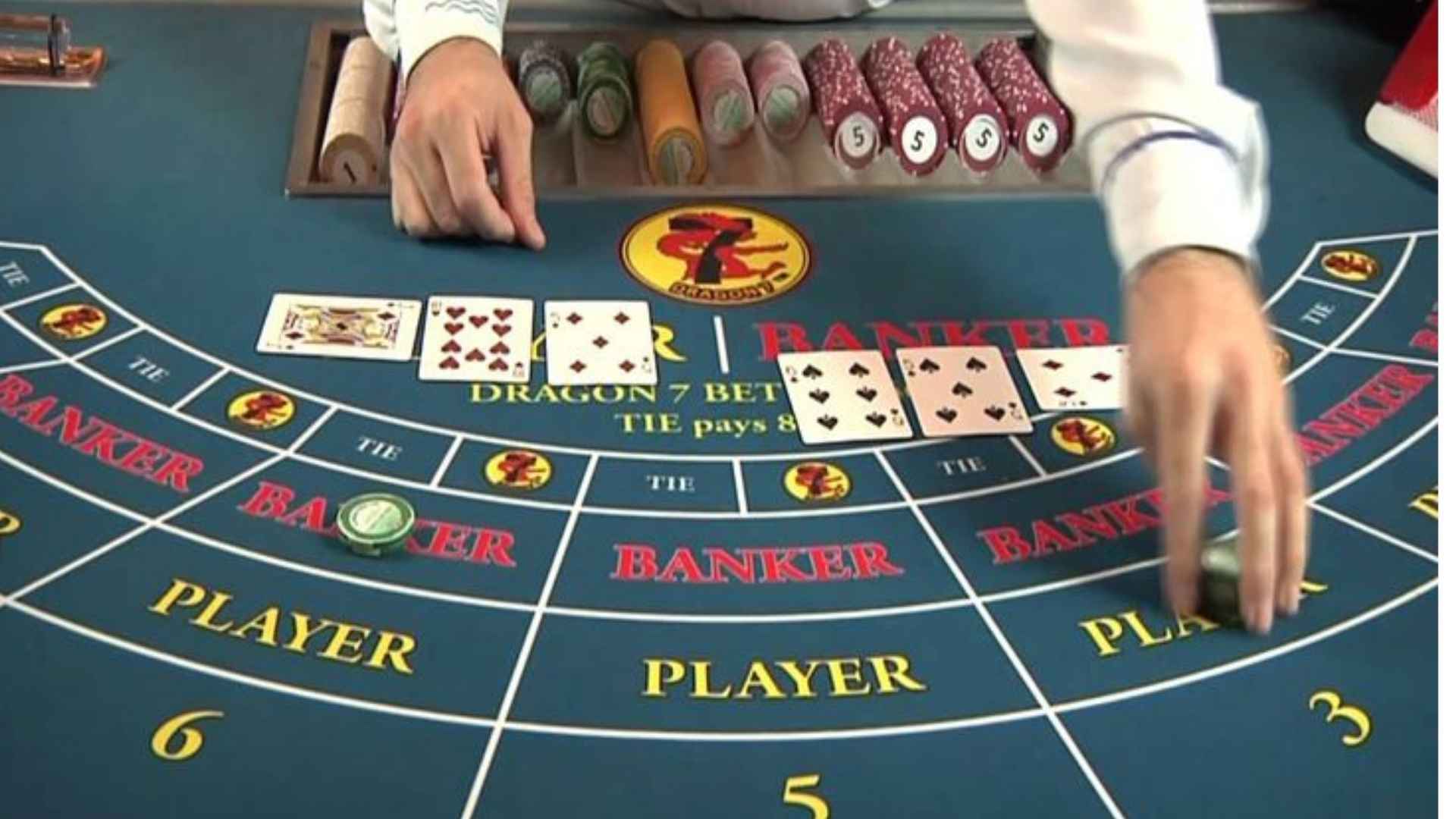
Transitioning from a recreational card player to a highly successful tournament competitor requires more than just understanding the basic rules of the game. It demands a systematic approach to tactical execution, a sharp analytical mind, and a highly disciplined approach to mental stamina. Those who consistently reach the final tables do so by treating every move as a calculated decision rather than relying on pure chance.
Elevating Your Analytical Abilities
The foundation of dominant tournament play rests on your ability to accurately read the board and track card movements. Expert competitors carefully monitor the discard pile to deduce what sets and runs their opponents are actively building. This precise tracking allows you to make informed decisions about which cards are safe to release and which ones must be withheld to block your rivals.
In addition to monitoring discards, a top-tier player understands how to calculate risk with mathematical precision during every phase of the match. You must constantly weigh the potential value of keeping certain card combinations against the high penalty points they might incur if an opponent declares unexpectedly. Developing this calculative instinct ensures you remain competitive even when dealt a highly challenging starting hand.
Mastering Table Dynamics and Adversary Adaptation
Every seat at a tournament table presents a different challenge based on the playing styles of the players surrounding you. Dominant competitors quickly categorize their rivals as passive, aggressive, or highly analytical within the first few rounds of play. Adapting your tactical approach based on these behavioral patterns gives you a significant psychological advantage over less observant opponents.
For players looking to test these strategies in dynamic digital environments, finding reliable platforms is essential for long-term growth. Utilizing resources like the m88 alternatif portal can offer access to structured online formats where you can practice adapting to diverse playing styles. Gaining experience across different platform configurations ultimately sharpens your overall tactical flexibility in real-world scenarios.
Emotional Regulation and Strategic Focus
High-stakes card matches are mentally grueling affairs that can easily trigger cognitive fatigue or emotional frustration. When a player allows a single bad round to affect their subsequent choices, their strategic consistency quickly deteriorates. Maintaining a calm, objective mindset is crucial for executing complex strategies under intense time pressure when the stakes are at their highest.
To cultivate this mental resilience, successful competitors establish strict pre-game routines that promote concentration and deep focus. They treat each hand as an entirely independent event, completely detached from the emotional outcomes of previous rounds. This psychological detachment prevents impulsive moves and ensures your long-term survival in multi-round events.
Systematic Selection of Game Opportunities
Dominance is also built on recognizing which tournaments align best with your current skill level and strategic strengths. Novices and intermediate players should seek out events with structured point limits before transitioning to high-stakes knockout formats. Choosing your competitive battlegrounds wisely maximizes your potential performance while minimizing unnecessary losses early in your career.
Consistency in tournament selection allows you to gradually build confidence as you master specific game formats and rulesets. Over time, this deliberate practice translates into a formidable reputation and consistent victories on the competitive circuit. By combining precise card analysis with emotional discipline and smart table selection, you will establish yourself as a truly dominant competitor.