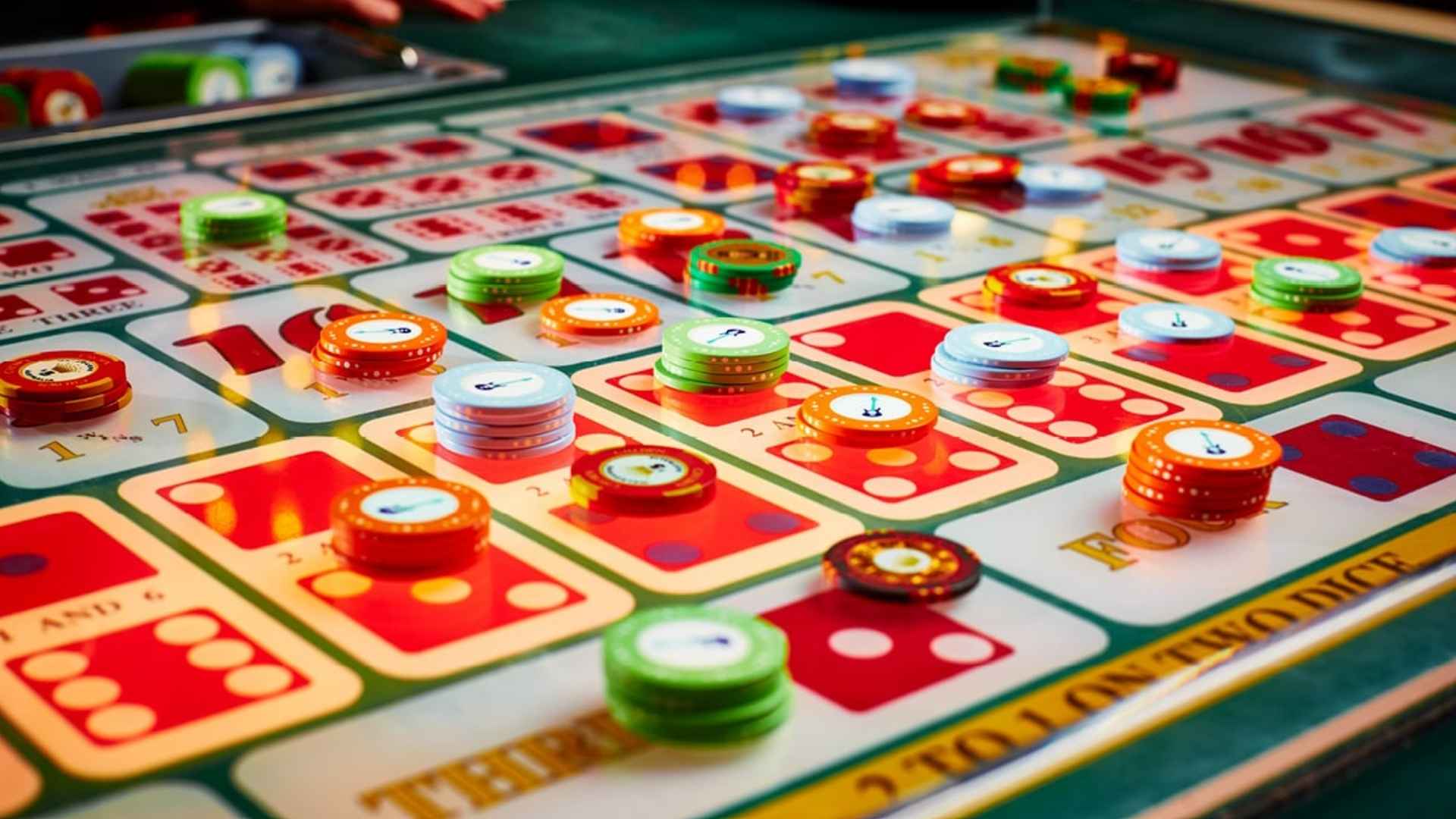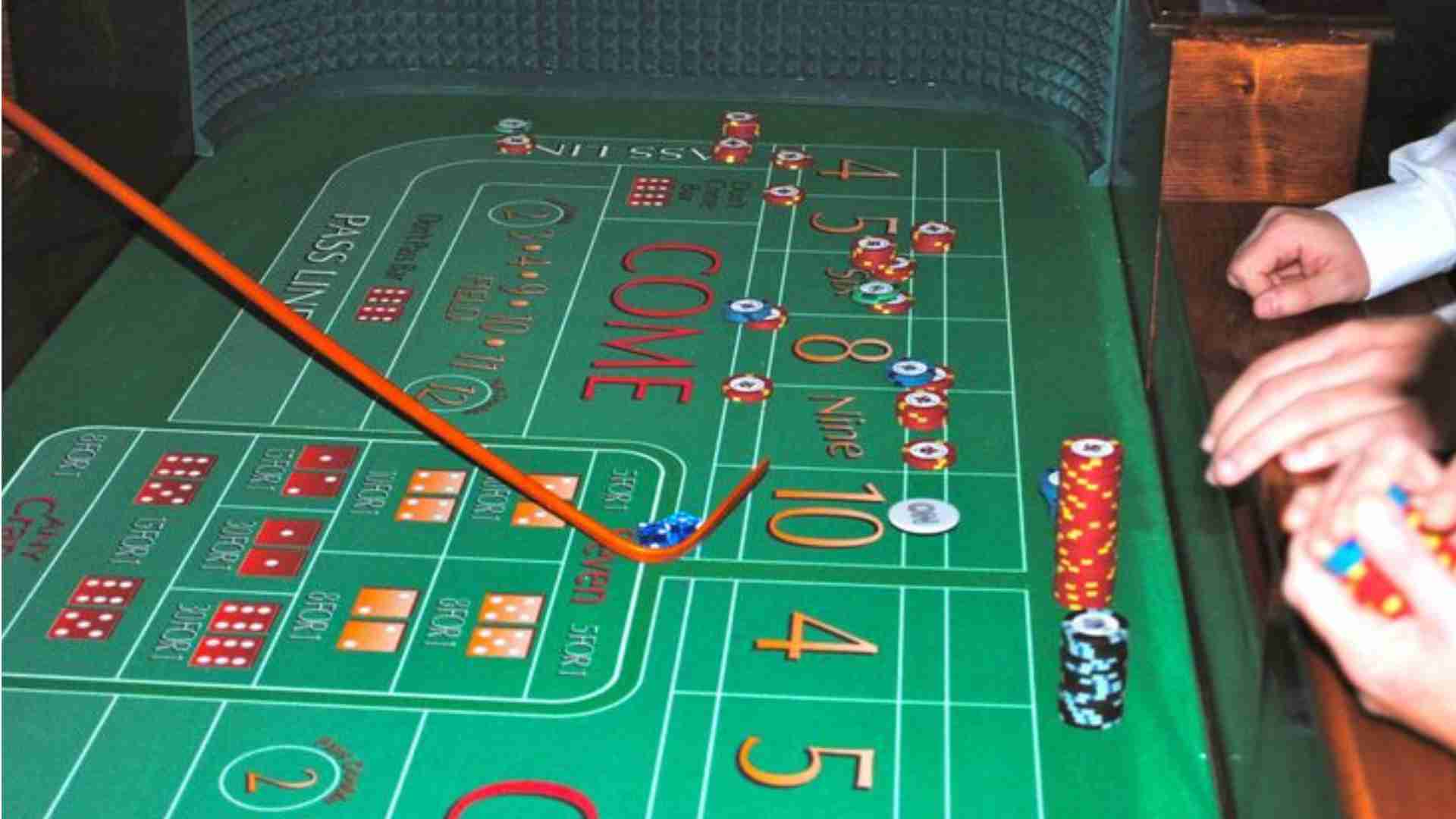
At its core, rolling dice is an exercise in numerical probability where every outcome is governed by strict mathematical odds. However, when game designers wrap these abstract calculations in rich storytelling and vivid thematic elements, the experience shifts dramatically for players. Atmosphere transforms cold percentage calculations into memorable narrative moments that keep gamers engaged round after round.
The Intersection of Cold Statistics and Emotional Narrative
Mathematical calculations alone can quickly feel mechanical if a game lacks a compelling setting or strong visual presence. By embedding probability mechanics into immersive worlds, designers allow players to care deeply about the outcome of every throw. A simple success threshold becomes a heroic narrow escape when properly framed by narrative context.
This emotional connection alters how players process risk and strategic decisions during active play. Instead of viewing a low probability roll as a raw statistical disadvantage, players interpret it as a high-stakes dramatic gamble. Consequently, the combination of thematic tension and mathematical logic delivers a far more satisfying tabletop experience.
Visual and Audio Cues That Heighten Suspense
Tactile components like custom engraved dice, thematic rolling trays, and evocative artwork significantly amplify the atmosphere at the table. The physical sound of rolling heavy resin dice onto wooden boards provides sensory feedback that reinforces the weight of a decision. These aesthetic touches bridge the gap between abstract game rules and total player immersion.
Digital games and online gaming environments also harness visual flair to make chance outcomes feel dynamic and exciting. Players exploring modern online platforms like m88 slot often encounter vivid graphics and engaging soundscapes that heighten anticipation during random outcome generation. In both physical and virtual spaces, thematic presentation elevates pure chance into active entertainment.
How Immersion Mitigates the Frustration of Bad Luck
One major challenge in dice-based game design is managing the frustration caused by unlucky rolls. When a game relies purely on numbers, consecutive bad results can make players feel entirely powerless against random chance. Thematic mechanics address this by turning unexpected failures into compelling story twists rather than mere dead ends.
When a failed roll generates a narrative complication instead of a simple penalty, players remain invested in overcoming the setback. This strategic shift keeps the focus on creative problem-solving and adaptive play. As a result, atmospheric integration ensures that even statistical losses contribute positively to the overall game night.
Designing Balanced Systems for Modern Gamers
Modern tabletop creators continuously refine how thematic elements interact with core probability mechanics to create balanced gameplay. By giving players thematic tools to modify rolls or reroll specific dice, designers preserve player agency while maintaining random elements. This delicate balance guarantees that strategic skill remains meaningful alongside thematic chaos.
Ultimately, the fusion of rich atmosphere and mathematical probability defines the best modern dice games. When theme and mechanics align seamlessly, every roll tells a unique story that resonates long after the game ends. Tabletop enthusiasts will continue to seek out experiences where atmospheric immersion turns simple numbers into unforgettable adventures.