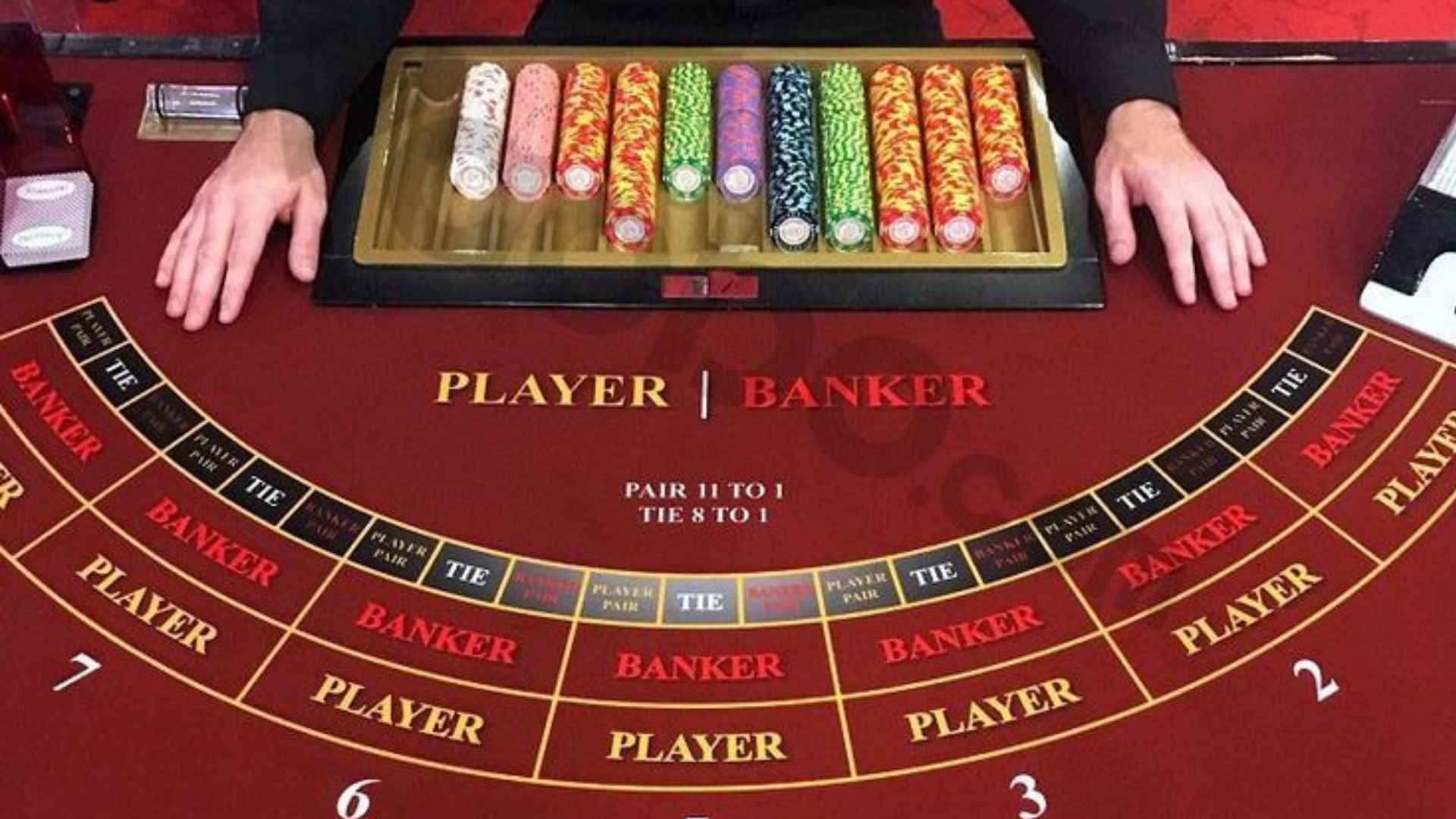
The concept of modern hospitality has evolved significantly, shifting focus from mere utility to providing deeply personalized experiences. Modern travelers and leisure seekers look for environments that seamlessly blend physical relaxation with cognitive ease. Establishing a truly refined space requires a careful combination of spatial design, ergonomic furniture, and sensory details that cater to individual well-being.
The Psychology of Spatial Design and Relaxation
The environments we inhabit play a critical role in shaping our mental state and daily productivity levels. Architectural layouts that prioritize open walkways, natural lighting, and minimalist aesthetics help reduce cognitive load and promote clarity. When a space is designed with human factors in mind, it transforms into a sanctuary where visitors can unwind effortlessly.
Integrating soft, neutral color palettes further enhances this calming effect by minimizing visual distractions. By ensuring that every element within a room serves a distinct functional or aesthetic purpose, designers can craft spaces that feel naturally intuitive. This thoughtful orchestration of interior elements forms the bedrock of an exceptional guest experience.
Ergonomics and Physical Well-Being
Physical comfort is heavily dependent on how well furniture supports the natural alignment of the human body. Standard seating arrangements often lead to poor posture, muscular imbalances, and prolonged fatigue. Incorporating high-quality ergonomic fixtures ensures that strain is minimized, allowing individuals to remain comfortable for extended durations.
Modern wellness spaces are increasingly adopting adaptable structures that adjust to diverse human movements and postures. Prioritizing physical resilience through proper physical support significantly elevates overall satisfaction during any visit. When guests feel physically supported, their capability to enjoy their surroundings increases exponentially.
Optimizing Ambience Through Layered Lighting
Lighting is another crucial factor that defines the atmosphere and functionality of premium leisure environments. Rather than relying on uniform, harsh illumination, modern spaces use a mix of ambient, task, and accent lighting. This layered approach creates depth and allows for real-time adjustments depending on the time of day or specific activities.
For those seeking reliable digital platforms that complement their premium lifestyle, finding a trusted m88 alternatif can enhance the overall convenience of remote entertainment. Balanced illumination reduces eye strain and helps establish a seamless transition between focused engagement and absolute relaxation. Proper lighting design ensures that the aesthetic value of the interior is fully realized at all times.
The Long-Term Value of Premium Standards
Ultimately, a commitment to premium comfort is an investment in long-term human well-being and customer loyalty. Venues that consistently refine their hospitality standards create memorable moments that keep visitors returning. By focusing on the delicate balance between functionality and luxury, modern establishments set a benchmark for contemporary leisure culture.